King Hassan II
Transformative leader who shaped Morocco's destiny.
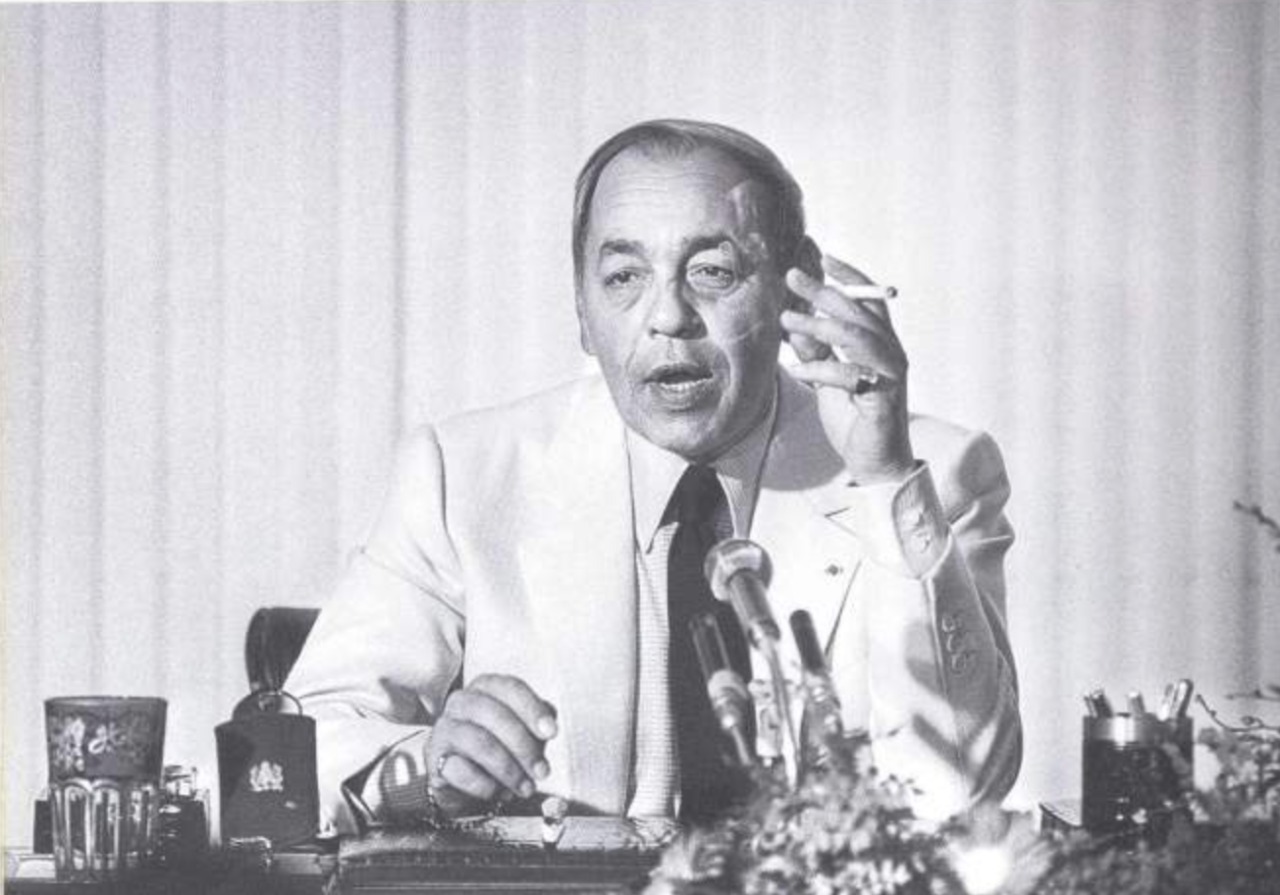
Here's a time line of the King of Morocco Hassan II's life:
- 1929 (July 9): - King Hassan II was born as Moulay Hassan ben Mohammed Alaoui in Rabat, Morocco. He was the eldest son of King Mohammed V and Lalla Abla bint Tahar. This birth marked the beginning of a life that would have a profound impact on Morocco and the world.
- 1953: - The sudden death of his father, King Mohammed V, led to a significant turning point in King Hassan II's life. He ascended to the position of Crown Prince, setting the stage for his eventual role as the leader of Morocco.
- 1957: - In a historic moment, Morocco gained its independence from French colonial rule. King Hassan II played a pivotal role during this period of transition, witnessing the birth of a newly sovereign nation.
- 1961: - King Hassan II survived a harrowing assassination attempt during a coup led by disaffected military officers. This event would underscore his resilience and determination to lead his country through challenging times.
- 1963: - King Hassan II officially assumed the throne, becoming the King of Morocco. His reign would span nearly four decades, making him one of Morocco's longest-reigning monarchs.
- 1965: - Morocco annexed the region of Ifni from Spanish control during King Hassan II's reign, consolidating the country's territorial integrity.
- 1975: - King Hassan II oversaw the Green March, a historic event in which thousands of Moroccans peacefully crossed into Western Sahara. This act led to the annexation of Western Sahara, a decision that remains a point of contention to this day.
- 1975: - As part of his efforts to modernize Morocco, King Hassan II appointed Amina Benkhadra as the Minister of Planning, making her the first woman minister in the Arab world. This was a significant milestone in gender equality and government representation.
- 1981: - Morocco faced a period of severe droughts and food shortages, resulting in widespread protests. King Hassan II navigated this crisis, addressing the challenges and seeking solutions for his people.
- 1984: - In a bold move, Morocco withdrew from the Organization of African Unity (OAU) in protest of the OAU's decision to admit the Sahrawi Arab Democratic Republic (SADR) as a member. This action reflected King Hassan II's commitment to protecting Morocco's interests.
- 1986: - King Hassan II introduced political and economic reforms aimed at modernizing Morocco's governance and economy. These reforms marked a significant step toward greater political openness and economic development.
- 1991: - Despite being diagnosed with cancer, King Hassan II continued to lead his country, displaying remarkable resilience and dedication to his role as Morocco's leader.
- 1993: - King Hassan II played a crucial role in the peace process in the Middle East by signing the Oslo Accords, contributing to efforts to bring peace to the region.
- 1997: - An important moment in interfaith diplomacy occurred when King Hassan II hosted Pope John Paul II during his visit to Morocco, promoting dialogue and understanding between religions.
- 1998: - Morocco celebrated the 20th anniversary of King Hassan II's reign, recognizing his enduring impact on the country and its people.
- 1999 (July 23): - King Hassan II passed away, marking the end of an era. His death was a profound moment in Moroccan history, and his legacy would continue through the leadership of his son, King Mohammed VI.
- 1999: - Succeeded by his son, King Mohammed VI, Morocco's trajectory continued under new leadership, building upon the foundation laid by King Hassan II.
"The peace process we all aim for will not necessarily be a result of the mere signing of a treaty or agreement. It must become a matter of our everyday lives, so that peace settles and lasts and becomes supported by everybody. We therefore have to give peace all the required care and preserve it and promote it."
-- King Hassan II